
Bulk purchasing
How to Buy Recycled Polystyrene Pellets in Bulk
Buy recycled polystyrene pellets in bulk with a copyable RFQ, sample and trial checks, and guidance on MOQ, packaging, delivery and receiving.
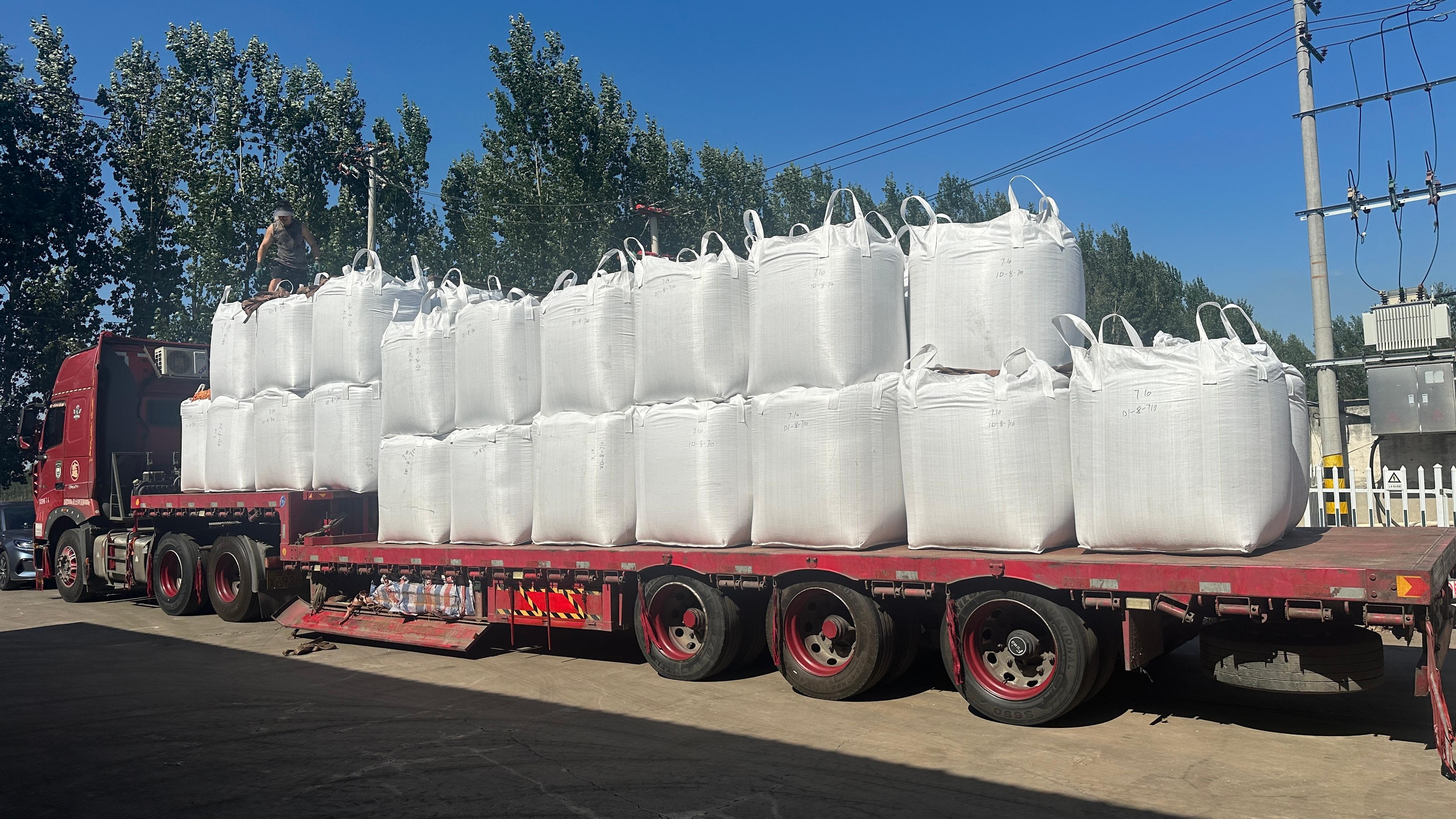
Jumbo bags on a flatbed truck, from Cherein’s factory gallery.
Introduction
To buy recycled polystyrene pellets in bulk, send a grade-specific RFQ to a supplier that can support your process, request the current specification and a traceable sample, and approve the material on your production line. Before releasing the first commercial order, confirm the grade and lot criteria, quantity, packaging, delivery basis, documents and receiving checks in writing. Cherein accepts inquiries for recycled EPS and HIPS pellets through its existing inquiry form.
Make the purchase in four stages. Prepare an RFQ that gives the supplier enough information to quote. Confirm the proposed grade, documents and sample conditions. Use the sample to prove that your plant can make accepted output. Carry the approved material and delivery requirements into the bulk purchase order.
What Should Go Into a Bulk Recycled Polystyrene RFQ?
A workable RFQ connects a price request to an application. Specify the exact resin or grade if it is already qualified. If you are asking the supplier to propose an alternative, include the current resin and the part characteristics that must be maintained. State whether the material will be used for profile extrusion, XPS extrusion foaming or injection moulding. Where the product form is ambiguous, confirm whether the request is for reprocessed pellets or for expandable beads.
What can a buyer copy into an email or inquiry?
- Subject: RFQ for bulk recycled polystyrene pellets — [finished product] — [destination]
- Material or grade: [recycled EPS-derived PS pellets, recycled HIPS, or exact grade code]. Current resin: [name, grade and attached TDS, if shareable].
- Finished product and use: [product name, application, target finish and customer requirements]. Drawing or reference sample: [available on request or attached].
- Processing method: [profile extrusion, XPS extrusion foaming, injection moulding or other]. Equipment and planned substitution or blend: [details].
- Target specification: [property, target or acceptance range, unit and test method or conditions]. Include [base colour, visual standard, performance tests or documentation requirements] as applicable.
- Estimated quantity: [sample kg], [first commercial order in metric tonnes], [forecast monthly demand].
- Destination: [country, port or named delivery point]. Please quote [requested Incoterms® 2020 rule and named place] and state what is included.
- Packing and schedule: [preferred bag and pallet format], [needed shipment window], [unloading or labelling constraints].
- Please confirm: proposed grade and current TDS, available sample and lot documents, sample charges and freight, MOQ by grade, quote validity, estimated production and dispatch schedule.
Send the initial order quantity and the monthly forecast separately. The first shipment is a commitment, while the forecast helps the supplier plan. Give the supplier enough detail to propose a grade and say which requirements remain open. If you are still selecting a material, start with what recycled polystyrene pellets are used for or how to choose a recycled EPS grade.
How do you turn different supplier replies into a usable shortlist?
Use one line per offered grade. Record whether the offer matches your material identity, processing route and must-have requirements. Ask the supplier to list deviations from the RFQ in its reply. A supplier may offer an alternative grade, a different bag size or another delivery basis. Label those as alternatives until you can compare the commercial and technical consequences. Keep pending documents visible and attach them to the offer once received.
For an importer buying for more than one plant, keep the end customer’s approval tied to the intended site or line. A material that fits one customer’s dark trim may fail another customer’s exposed-edge colour requirement. Ask the receiving site to confirm its unloading limit and storage setup. This can prevent the sourcing team from pricing an attractive offer that the plant cannot handle in its proposed packaging.
How Do You Confirm the Grade and Sample Before a Trial?
Request the current TDS, the proposed sample grade code and a lot identifier. Ask whether a COA or batch results can be supplied for the sample and later commercial lot. Check the units and test conditions against your requirement. If the buyer and supplier use different methods, identify which result will decide acceptance and who will perform the test before the material is ordered.
Grade data, lot results and finished-part test results answer different questions. The TDS helps you decide whether to test a candidate. The COA tells you about a specific lot. Your production record shows how that lot performed in your process. A supplier’s general quality statement cannot establish approval for your geometry, formulation or customer requirements. For an overview of evidence such as traceability and inspection scope, see the supplier qualification guide.
How much material should you request?
Work back from the checks planned. A screening sample may be enough to compare appearance or run a bench check. A production trial needs enough feed to reach stable operation and collect representative parts. Calculate expected startup, purge and trial consumption with the production team. Confirm the sample quantity and how the supplier will identify the lot on the container and accompanying documents.
Cherein’s published product purchasing FAQ states that samples up to 1 kg have no material charge and the buyer pays courier freight. For samples above 1 kg, sample and freight charges apply and may be credited against the first commercial order. Ask for written confirmation of costs and any credit terms when you request the sample. A screening sample and a line-trial quantity should be quoted according to the work each will support.
How Should You Approve a Trial Before Placing the Bulk Order?
Approve the actual grade and lot on the line that will use them. Compare the candidate against your current resin or an agreed reference. Record the grade, lot, formula, equipment, conditions and the points in the run at which you took measurements. Assign responsibilities for approving appearance, fit, performance and any process changes. Agree what counts as a failed or inconclusive trial and what evidence a retest needs.
| Trial checkpoint | Record to keep | Decision it supports |
|---|---|---|
| Sample received | Grade and lot labels, condition, documents and retained pellet sample | Confirms that the sample matches the RFQ and can be traced later |
| Production stabilized | Formula, machine and tool, settings, stable output and observations | Shows whether comparison samples came from a representative run |
| Product checked | Finished dimensions, surface, colour, assembly and required performance tests | Shows whether the output meets the actual acceptance requirements |
| Grade released | Approved grade, limits, reference part, exceptions and authorised reviewer | Gives purchasing and receiving one set of approval criteria |
Keep your evaluation tied to the finished product. For a skirting or wall-panel profile, include the cut edge, dimensions after cooling and a fit check. For an injection-moulded HIPS housing, use the real assembly and the required checks at vulnerable features. If the sample passes an initial screen but the planned production quantity or line is different, schedule the next evaluation before treating it as approved.
What needs to transfer from the sample to the commercial specification?
Write down the exact grade identity and the checks that made the trial pass. If the plant approved a specific colour band against a physical reference, identify the reference and how incoming material will be judged. If the trial report uses a melt-flow result, carry over the method, units and conditions alongside the limit. A purchase order that only repeats the grade name leaves the receiving team without the basis for a release decision.
Ask whether the trial lot represents the intended supply and what the supplier will do if a later lot varies from the approved range. Retain a labelled pellet sample and a finished control piece when possible. Where the product or line is sensitive to lot changes, agree how additional samples or representative lots will be evaluated. The extra check should match the cost and consequences of a rejected shipment or interrupted production.
What Should Be Confirmed Before You Place a Bulk Order?
Confirm the exact grade and purchase specification, first-order quantity, packing configuration, commercial terms and a realistic dispatch schedule. State which documents must be provided, when they are due and how deviations will be handled. Place the approval record where purchasing and receiving can both refer to it.
How do MOQ and packaging affect the first order?
Cherein’s published product FAQ gives a standard minimum order of 25 metric tonnes, normally one full container, and lists jumbo bags and 25 kg bags as standard packaging options. Confirm the actual MOQ and loading for the grade, destination and order format you want. Ask whether quantities apply per grade and whether a mixed-grade load is available if your schedule needs it.
Check your unloading and storage setup before deciding on packing. Ask for bag and pallet dimensions, net and gross weight, liner requirements and label fields. Verify the bag size against the receiving plant’s lifting, storage and feeding equipment. If there are multiple grades or lots in a shipment, confirm how each will be marked and listed on the packing list so receiving can segregate them.
How can you compare quotations on the same delivery basis?
Ask each supplier to show the quoted currency, net material quantity, price validity, packing and named delivery point. Use the same Incoterms® rule, named place and edition where possible. The International Chamber of Commerce’s Incoterms® 2020 guidance describes how the rules allocate transport obligations, costs and risks. Review the written offer for charges and responsibilities outside the quoted basis.
To compare delivered material cost, total the applicable purchase, freight, insurance, handling, clearance, import charges and inland delivery costs without counting an item twice. Divide by the net tonnes delivered. Then compare the production result: resin used, accepted output and any rework or rejection attributable to the material. A price advantage can disappear if the trial shows greater loss or slower acceptable output. Use the same time period and scope for each offer.
How can the team put landed cost and output on the same worksheet?
Use two denominators. First calculate cost per net tonne received using the costs for the actual quote boundary. Then compare cost per tonne of accepted finished output under comparable production conditions. The second figure is most useful when the material yield differs enough to influence the decision. Agree with finance how to handle production costs and scrap credit, and apply that treatment consistently to both options.
Consider an illustrative comparison using cost units. If two orders of 25 tonnes cost 25,000 and 25,500 cost units delivered, the initial comparison is 1,000 versus 1,020 per net tonne. If those amounts of material produce 23 and 24 tonnes of accepted output respectively, the delivered material cost per accepted tonne is about 1,087 versus 1,063 before conversion costs and any scrap credits. The numbers are hypothetical. Use yield from a comparable trial and quotes for the actual destination.
What does a usable schedule include?
Separate production readiness, dispatch, estimated transit and the time your team needs to clear and receive the goods. Ask what starts the supplier’s lead-time estimate, such as confirmation of the grade, packaging, payment or sample approval. Ask whether the quoted date refers to production completion or shipment. Use a confirmed shipment window in the order and update the schedule if the carrier or production plan changes.
What Should You Check at Shipment and Receiving?
Before shipment, match the approved order to the proposed grade, lot identifiers, quantities and packing list. Ask for the agreed lot records and any inspection evidence relevant to the order. If you need a witnessed sample or third-party inspection, agree the scope and who retains the sample before loading. Photos of bags or container loading can support a visual check. A batch test report must identify the relevant material and test conditions.
At arrival, compare the label and quantities against the order and shipping documents. Inspect packages for damage or signs of contamination and segregate any lot that does not match the agreement. Take and label a retained receiving sample if your quality plan calls for it. Release the material under your agreed receiving checks before introducing it to the main production feed. Keep the contact path for reporting discrepancies and the relevant claim deadlines in the purchasing file.
If receiving finds an issue, preserve the packaging and identify which lots or bags are affected. Document what was checked and attach the agreed order specification. A report such as “grade code matches, but the lot on the COA differs from the bag label” gives the supplier a concrete question to resolve. Set aside affected material until the buyer and supplier agree on the next step, such as verifying the documents, retesting a retained sample or arranging replacement under the agreed terms.
What should change on a repeat order?
Reference the last approved grade and specification, plus any updated appearance or process requirement. Share confirmed consumption and planned call-offs separately from forecasts. Review changes to grade identity, site, formulation, lot documentation, pack format or shipment conditions against the approval record. Agree when a change needs another trial and when routine batch checks are sufficient.
FAQ
Where can I buy recycled polystyrene pellets in bulk for an industrial line?
Contact a recycled PS supplier that can quote the proposed grade, identify its processing route and provide traceable samples and available grade or lot documents. Cherein’s inquiry form accepts requests for recycled EPS and HIPS pellets.
What should I include in a recycled PS pellet RFQ?
Include the material or proposed grade, finished application, process, target properties and methods, first-order and recurring quantities, preferred packing, and country and named delivery point.
How much does a bulk order cost, and how soon can it ship?
Ask for a written quotation for the selected grade, quantity, packaging, destination and commercial terms. Cherein confirms lead time against the agreed order and current production schedule.
Can I rely on the sample COA for the commercial lot?
Match each report to its lot. Agree which commercial-lot results and receiving checks are required, and keep the approved reference sample and trial record for comparison.
Which certifications should I ask for?
Specify what the finished application, buyer or market requires and ask for documents covering the exact grade or supply scope. Verify the issuing body, validity and scope before using any certification to release the order.
Conclusion
Prepare a grade-specific RFQ, qualify a traceable sample and turn the trial decision into measurable purchase and receiving requirements. Confirm the packaging, quote basis and delivery schedule for your destination before releasing the first order. Share your RFQ and estimated volume with Cherein for an application-specific bulk quotation.