
Profile extrusion evaluation
How to Evaluate Recycled Polystyrene Pellets for Profile Extrusion
Plan a recycled polystyrene profile extrusion trial. Record grade, batch, colour, surface, dimensions and processing observations with a copyable checklist.
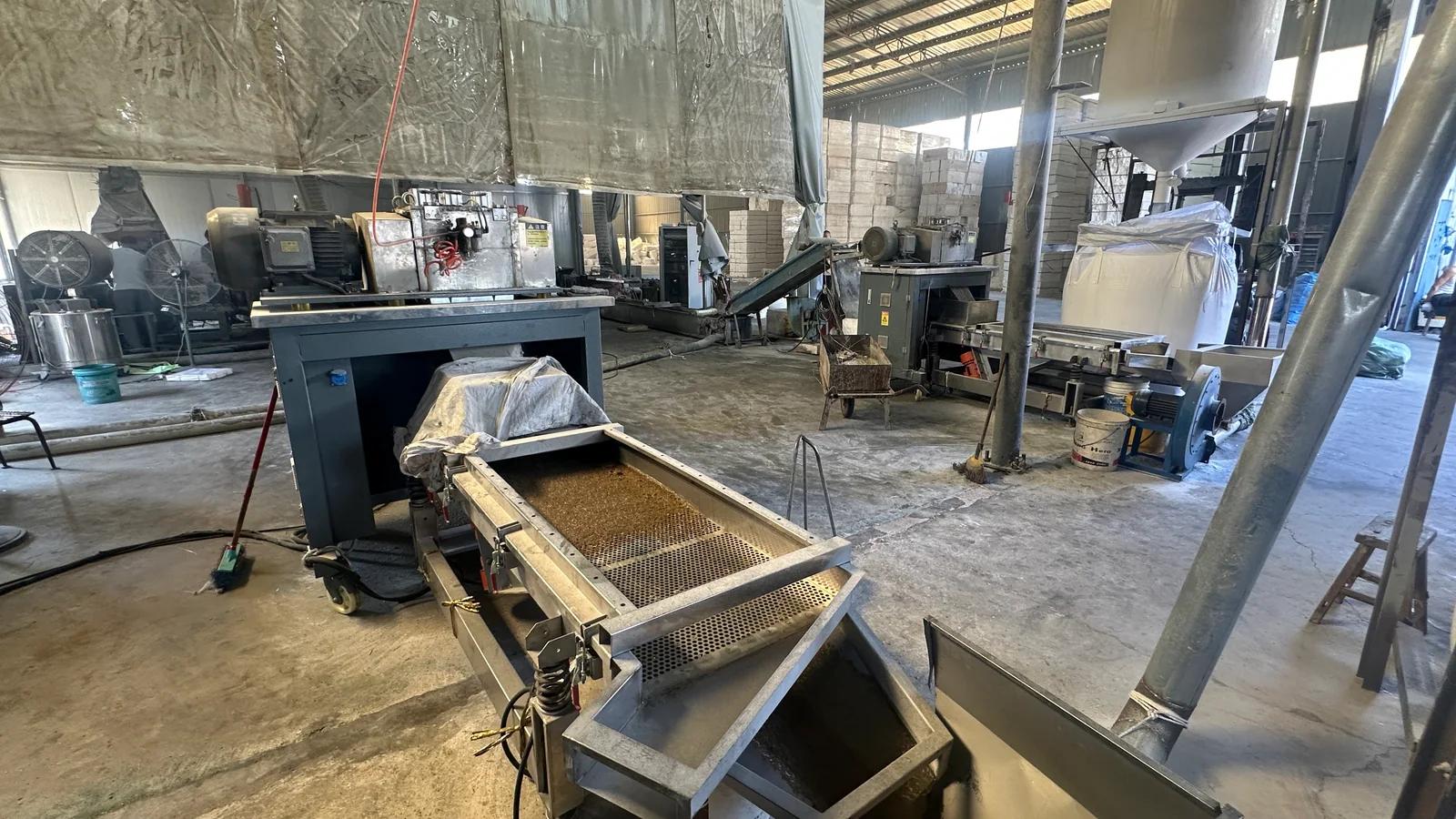
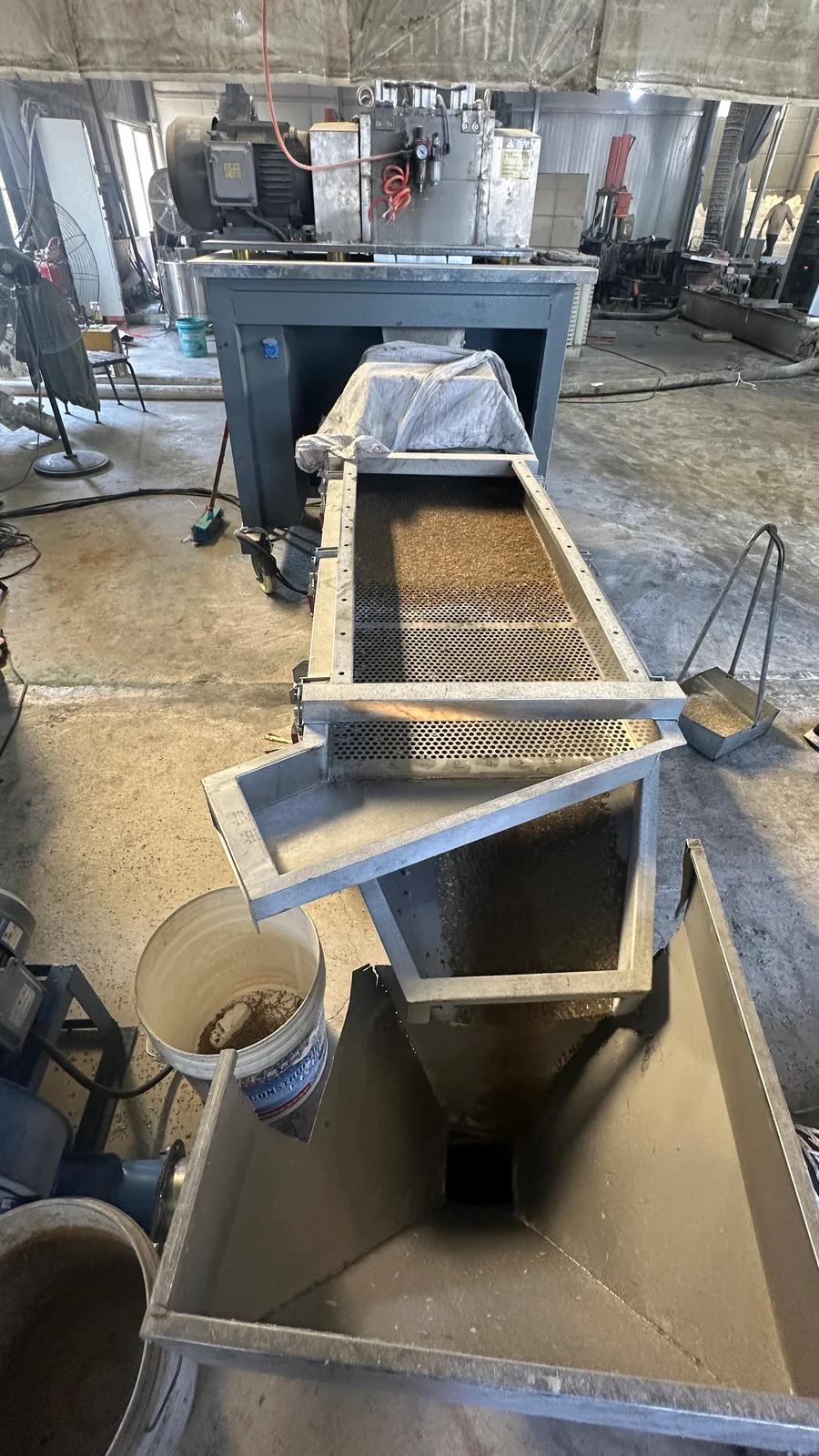
A new Cherein workshop photograph. It shows processing equipment, not a documented trial of a finished PS profile.
What Makes a Recycled Polystyrene Profile Trial Useful?
Evaluate recycled polystyrene pellets for profile extrusion against a written finished-product requirement. Identify the grade and lot, keep a suitable control, record the formulation and relevant line conditions, then review appearance, dimensions, downstream behaviour and stability over an agreed trial. A smooth start or attractive sample alone does not establish repeatable approval.
This article is a practical trial-record and acceptance guide for buyers of material for PS skirting, wall panels and related decorative profiles. It complements the existing EPS application-selection guide, which covers material screening. The question here is how to decide whether a proposed material has earned approval after a controlled trial.
The procedures below are suggested evaluation practices, not a report of a completed Cherein customer project. No customer result, production output, reject rate or universal operating setting is claimed. Acceptance limits must come from the buyer’s drawing, customer specification and agreed evaluation plan.
Which Finished-Product Requirements Should Be Written Down First?
Define what will be accepted before the material arrives. Start with the actual profile section, visible surfaces, colour or finish reference, critical dimensions and intended downstream operations. Identify who approves each requirement and when measurements will be taken. Otherwise, a trial can produce observations without a clear purchasing decision.
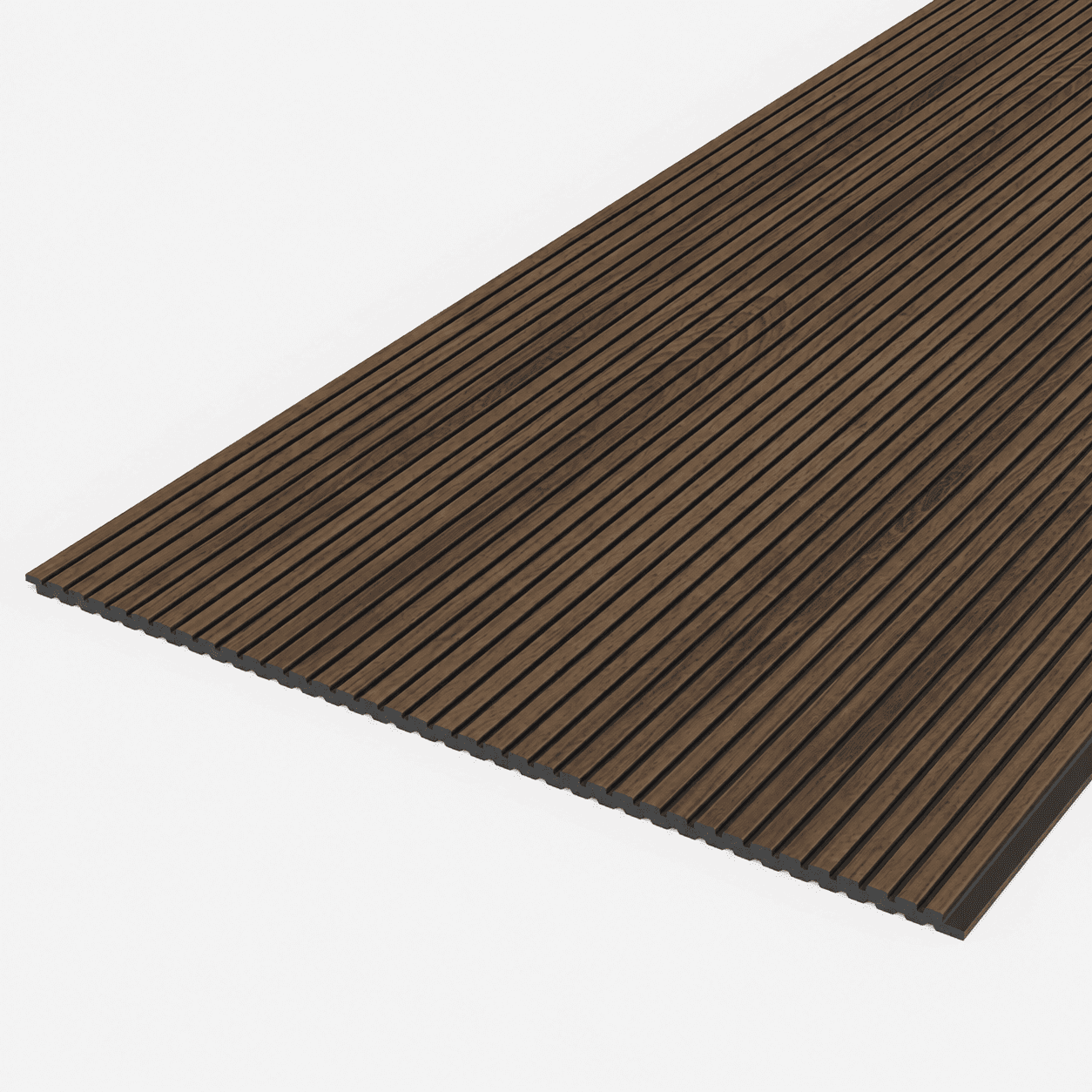
For PS skirting, the critical features may include the wall-to-floor appearance, section dimensions and the result of a specified cutting or jointing operation. For a grooved wall panel, they may include repeated groove definition, panel fit and the appearance of the decorated surface. These are examples of what to specify, not a claim that every product uses the same criteria.
Which site examples are relevant?
The PS skirting guide, grooved PS wall-panel guide and PS wall-panel profile guide show the finished forms being discussed. Their raw-material links identify candidates associated with these applications in current product information.
The photographs do not establish which exact resin lot, blend or extrusion process produced the pictured item. Use the guides to explain the intended result to Cherein, then confirm the processing route and proposed formulation separately. This distinction allows useful application discussion without inventing production evidence.
How precise should the acceptance plan be?
Replace “good surface” with a reference and inspection method. Replace “correct size” with drawing-controlled measurements and the agreed measurement stage. Replace “runs normally” with the observations the line team will record. Where a requirement is still undecided, mark it open rather than adding an arbitrary tolerance.
What Material Information Must Travel With the Trial Sample?
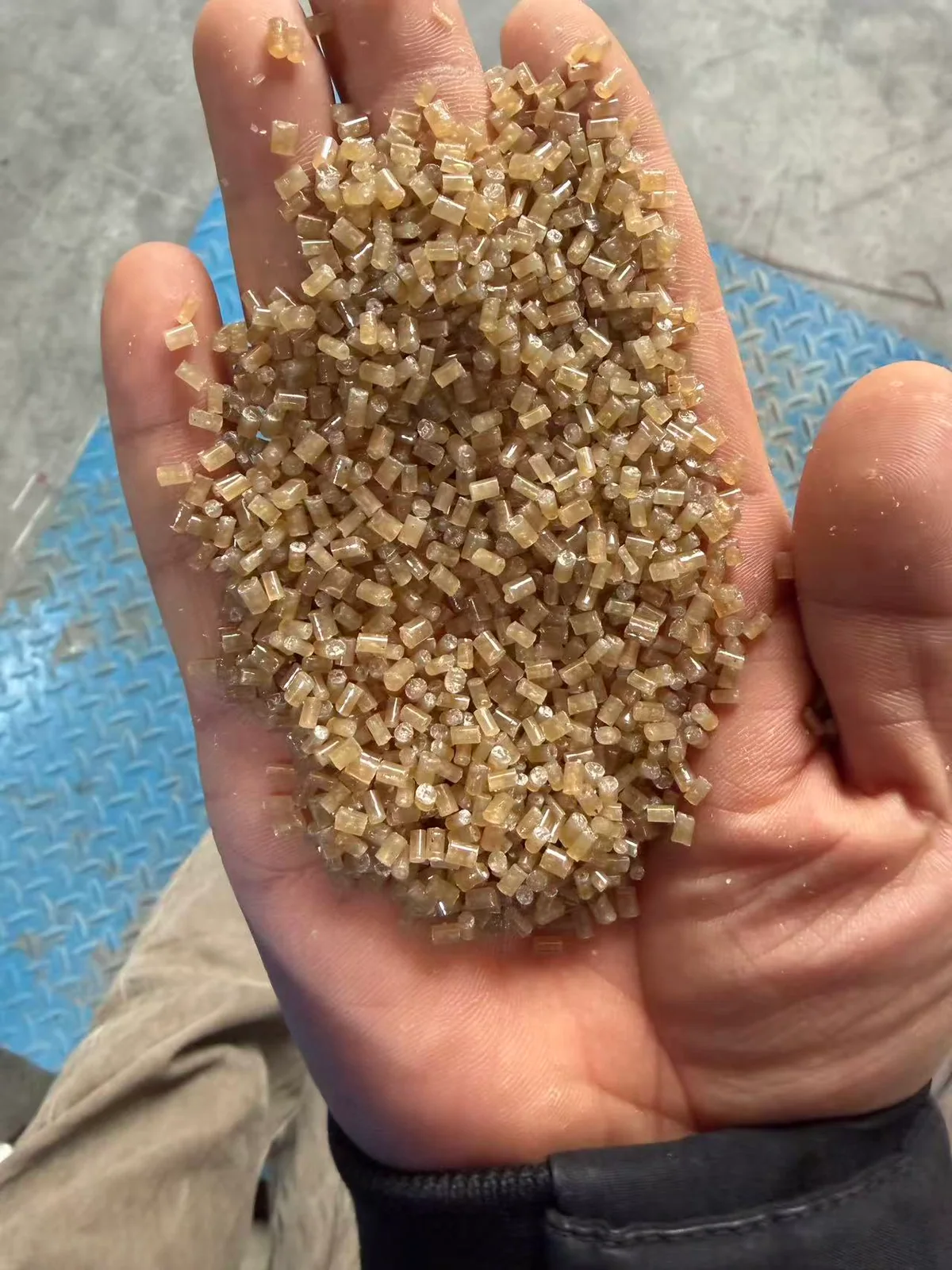
Preserve the exact material identity, supplier, grade, colour and lot reference. Record whether the sample is proposed as a standard grade, a development blend or a material to be used with other ingredients. Approval applies to the tested combination, not automatically to every pellet with a similar appearance.
Review the current product document and any available batch record before scheduling the line. Check the declared process suitability and the agreed handling instructions. If flow, moisture, residue or another property matters to your specification, establish the method and documentation available rather than assuming the sample has been tested to your preferred procedure.
Cherein’s recycled EPS and HIPS category includes existing candidates for discussion. The application guides associate transparent EPS and selected recycled EPS grades with decorative profiles. This is a reason to investigate a sample, not confirmation that a named grade will meet every section, finish or formulation.
Why is matching MFR not enough?
A melt-flow measurement provides one laboratory reference under stated conditions. ISO 1133-1 covers mass-flow and volume-flow testing; the relevant temperature, load and quantity must accompany the number. Use it as part of the material record, not as a substitute for the profile trial. Source: ISO 1133-1.
If the material document is incomplete, list the missing condition and request clarification. Keep that issue separate from a trial observation. A good-looking profile does not retrospectively prove an undocumented test method or a regulatory claim.
How Should You Set Up a Fair Trial Comparison?
Compare the proposed material with a known control under a documented plan. Identify the line, die, formulation, relevant settings, material preparation and sampling sequence. Record changes rather than silently adjusting several variables and attributing the final result to the new resin alone.
The plant’s qualified operators should determine safe operating conditions using equipment guidance and material information. This article does not prescribe temperatures, screw speed, drying conditions or additive percentages. Those depend on the actual line and formulation and should not be invented for a purchasing checklist.
Keep the formulation traceable
Record the base material and any colourant, processing aid or other ingredient used during the trial. Include the actual quantities or controlled formulation reference available to the team. If confidential, retain the full record internally and share a suitably limited version with the supplier. An unexplained blend makes repeatability difficult to assess.
Separate transitions from stable samples
Agree how the team will distinguish changeover material from the samples used for acceptance. Record sample time or sequence and the corresponding line observations. Do not base the decision on one selected length while disregarding the conditions under which the rest of the trial was produced.
For a short feasibility run, state that limitation. A result described as “feasible for further evaluation” is more useful than a full approval that the evidence cannot support. Decide in advance what additional work would be needed for a commercial-order decision.
How Do You Review Colour and Surface Finish?
Inspect representative lengths against the approved reference using consistent lighting, background and viewing distance. Identify which surfaces matter to the customer. Record the type and location of any streaks, specks, roughness, gloss variation or loss of detail, rather than writing only “surface problem”.
For colour, keep the reference and trial sample together and identify whether the comparison is made before or after decoration. Where an instrumental colour requirement exists, use the agreed method and limit. Do not create a numerical colour tolerance merely because the checklist has an empty field.
What should be checked on a grooved panel?
Look at groove definition, repeated surface detail and the overall appearance across a representative panel. Record whether an observed issue is local or repeated and whether it appears on the control. These observations help the team decide what to investigate without claiming the resin is necessarily the sole cause.
The decorative wall-panel guide is useful for discussing the required appearance. It does not certify durability, flame performance or suitability for a particular building regulation. Keep any such requirement in a separate evidence checklist.
How should finishing be included?
If the sold product is coated, laminated or otherwise finished, review a sample after the intended operation. Record the actual finish system and relevant inspection method. Approving only the unfinished profile can leave the most visible customer requirement untested.
How Do You Check Dimensions Without Losing the Context?
Measure against the controlled drawing using the agreed method, equipment and timing. Identify sample locations and orientation. Record actual values for critical features rather than replacing all measurements with a single pass mark. The record should allow another reviewer to understand which product and stage were assessed.
For long or repeated sections, discuss which dimensions and fit checks matter to the assembly. Include the intended length, groove or joint requirements where applicable. Do not infer that one acceptable cross-section proves every length of the trial has equivalent dimensional behaviour.
Why does the measurement stage matter?
A reading taken immediately at the line and a reading taken at the agreed later inspection stage may answer different questions. Write down the stage and elapsed time used by the trial plan. Compare control and candidate on the same basis, and investigate any difference before concluding that the material has passed or failed.
Where the buyer has no defined inspection procedure, that is a preparation task, not a reason to borrow a tolerance from an unrelated product. Purchasing should involve the drawing owner or customer-quality contact before setting a material acceptance limit.
What Does Processing Stability Mean in the Trial Record?
Stability means the agreed observations remain acceptable over the evaluated run, with the conditions and limitations documented. Record relevant line readings available to the plant, adjustments, interruptions, surface changes and the sequence of retained samples. A single photo cannot show this history.
Use the line’s existing measurement and quality system where possible. If an observed change appears, note when it happened, what changed at the same time and whether it was also present with the control. Avoid diagnosing degradation, contamination or a moisture problem from appearance alone; investigate the possible causes with appropriate evidence.
Should output and waste be recorded?
Record them when the plant can measure them consistently and when they affect the purchasing decision. Define the evaluated interval and distinguish transition waste from the samples used for acceptance. Do not promise a productivity gain or a fixed reject reduction without a documented, comparable trial.
For commercial review, connect the material price with the measured outcome and any additional processing or finishing requirements. A low pellet price does not resolve an unacceptable surface or dimensional result. Equally, one unrepresentative trial should not be presented as a universal cost conclusion.
What Should a Copyable English Trial Record Include?
The following checklist can be copied into a trial worksheet. Fill the blanks with actual information; it is deliberately not a completed factory report. Keep the final decision linked to the samples and documents that support it.
- Trial reference and date: ______
- Buyer, plant and responsible reviewer: ______
- Supplier, candidate grade, colour and batch/lot: ______
- Sample label and supporting TDS/COA revision: ______
- Target finished product and drawing revision: ______
- Control material, grade, lot and approved reference: ______
- Formulation reference and ingredients used: ______
- Line, die and material-preparation record: ______
- Relevant operating conditions and recorded adjustments: ______
- Trial sequence, evaluated interval and sample identifiers: ______
- Colour target, viewing method and observed result: ______
- Surface requirements, inspection locations and observations: ______
- Critical dimensions, inspection stage and actual readings: ______
- Cutting, jointing or finishing requirements and results: ______
- Processing observations, interruptions and investigations: ______
- Measured output or waste, if included, with measurement basis: ______
- Required additional tests or documents: ______
- Decision: approved / conditional / further trial / rejected: ______
- Reason, limitations, approval owner and next action: ______
- Retained material and finished-sample storage references: ______
Use a separate line for each critical feature when transcribing dimensions or appearance findings. A summary can point to a detailed inspection sheet instead of crowding every reading into the checklist. Preserve the original records so the final verdict remains traceable.
How Should the Team Decide Whether to Approve the Material?
Review the result against the agreed requirements and classify unresolved items explicitly. Approval should identify the tested material, formulation, intended product and limitations. A conditional approval should name the outstanding test or document and who must close it before bulk purchasing proceeds.
A practical decision table
| Trial outcome | Purchasing status | Next action |
|---|---|---|
| All agreed checks passed with adequate records | Candidate for documented application approval | Confirm supply specification and order requirements |
| Appearance acceptable, required performance evidence missing | Incomplete evaluation | Obtain the missing evidence before release |
| Trial used an undocumented formulation change | Result applies only to the recorded trial combination | Reconstruct the record or repeat the comparison |
| Short run established feasibility only | Further evaluation needed | Plan the next representative trial |
| Mandatory requirement failed | Not approved for that requirement | Investigate or evaluate another candidate |
For repeat supply, agree what incoming checks and batch documents are needed. Retain the reference samples and specification used in approval. If a subsequent lot shows a difference, this record supports a factual supplier discussion rather than a disagreement over what “same quality” was supposed to mean.
What Should You Retain for the Next Batch or Supplier Discussion?
Retain the trial report together with labelled material samples, representative profile lengths and the relevant document revisions. Identify which retained profile corresponds to which material and point in the run. A box of unlabelled samples cannot reliably support a later comparison, even if the appearance seems familiar.
For appearance references, record the agreed inspection conditions and protect samples from avoidable damage. For dimensions, keep the drawing revision, measuring method and original readings. If a downstream finish was evaluated, retain enough information to identify the finish system and the sequence used. Follow the plant’s own retention policy rather than assuming one universal storage period.
When a later shipment is questioned, compare it with the agreed material and product record. Describe the observed difference, the lot involved and the checks already completed. Ask the supplier to review the relevant evidence instead of sending only a close-up photograph with no scale or sample identity.
If the business changes the profile design, formulation or required finish, revisit the approval scope. A trial on one skirting section does not automatically approve every wall panel or frame profile. The value of the retained record is that it makes these limits visible and helps the team plan the next evaluation efficiently.
Frequently Asked Questions
Can a short profile trial prove a grade is ready for bulk production?
It can establish feasibility, but the approval should state the evaluated run and its limitations. Confirm that the agreed appearance, dimensions, downstream checks and required performance evidence are sufficient for the intended purchasing decision.
Are the materials linked from Cherein’s wall-panel cases proven recipes?
No. The links identify candidates associated with those applications in the existing product information. Confirm the actual formulation, process and trial results before approving a material for a specific profile.
What should I do if the profile surface changes during the trial?
Record the sample sequence, line observations, adjustments and comparison with the control. Investigate possible causes with the production team rather than assigning the change to the resin from appearance alone.
Do I need a universal extrusion temperature or MFR target?
No universal value is established here. Use equipment guidance, current material information and the application requirements to plan the trial with qualified operators. Confirm any required laboratory test conditions separately.
Conclusion: Approve a Recorded Result, Not a Selected Sample
A useful extrusion evaluation links a named material and lot to the required finished profile, representative observations and a clear decision. The checklist helps purchasing, production and quality keep the same evidence. It does not replace the application-specific limits or technical review needed for approval.
Send Cherein your profile requirements, drawing, current material and planned trial checks. These details help narrow the discussion to existing candidate materials and the evidence still needed before a bulk-order decision.